
PDF color inversion transforms a document’s display, creating a dark mode effect for enhanced readability, reduced eye strain, and potential battery savings on devices․
What Does It Mean to Invert a PDF?
Inverting a PDF fundamentally alters its color scheme․ Essentially, it reverses the colors – light shades become dark, and dark shades become light; This process doesn’t change the underlying content of the PDF, but rather how it’s visually presented to the user․ Think of it like a photographic negative; the overall image remains recognizable, but the tones are flipped․
This isn’t simply about changing a background color․ True inversion affects all colors within the document, including text, images, and graphics․ The goal is to create a dark background with light text, mimicking a “dark mode” interface, which is increasingly popular for digital reading and viewing․
Why Invert PDF Colors? (Readability, Eye Strain, Battery Saving)
Inverting PDF colors offers several benefits․ Readability improves for some, especially in low-light conditions, as dark text on a light screen can cause glare․ Reducing this glare minimizes eye strain during prolonged reading sessions, enhancing comfort․ Furthermore, on devices with OLED or AMOLED screens, inverting colors can lead to significant battery saving․
Darker pixels consume less power than brighter ones․ By displaying predominantly dark colors, the device reduces overall energy expenditure․ This is particularly useful for mobile reading, extending device usage between charges․ It’s a simple adjustment with potentially substantial positive effects․

Methods for Inverting PDFs
PDF color inversion can be achieved through online tools, dedicated software like Adobe Acrobat, or utilizing the print-to-PDF function with color adjustments․
Online PDF Color Inverters (Free Options)
Numerous free online PDF color inverters offer a convenient way to transform your documents into dark mode․ These tools, such as DonePDF and PDF2Go, instantly process files without requiring software installation․ They are perfect for quick conversions and prioritize user privacy by typically not adding watermarks․
These platforms allow you to invert colors for improved readability, especially during nighttime use, and can contribute to battery conservation on mobile devices․ They generally support various PDF formats and provide a user-friendly interface for effortless color manipulation, making them ideal for students and professionals alike․
Software-Based PDF Editors (Adobe Acrobat, etc;)
Professional PDF editors like Adobe Acrobat offer robust color inversion capabilities alongside a suite of editing features․ While often requiring a subscription, these programs provide precise control over color adjustments and ensure compatibility with complex PDF documents․ They allow for selective inversion, meaning you can apply the effect to specific pages or elements․
Beyond simple inversion, these editors often include advanced options for brightness and contrast adjustments, enhancing readability further․ They are suitable for users who require frequent PDF manipulation and demand high-quality results, offering a more comprehensive solution than free online tools․
Using Print to PDF with Color Adjustments
A workaround for inverting PDF colors involves utilizing the “Print to PDF” function available on most operating systems․ By selecting a PDF printer (like Microsoft Print to PDF), you can access printer properties and adjust color settings before creating a new PDF․ This method allows for color manipulation, including inverting colors, though the specific options vary depending on your printer driver․
While not as direct as dedicated inversion tools, this technique offers a free alternative․ It’s particularly useful when online tools are inaccessible or raise privacy concerns, providing a locally executed solution for achieving a dark mode effect․

Detailed Look at Online Inverters
Online PDF color inverters, such as DonePDF and PDF2Go, offer convenient, free tools to instantly convert PDFs to dark mode with no registration needed․
DonePDF: Features and Usage
DonePDF stands out as a user-friendly online tool specifically designed for inverting PDF colors, effectively creating a dark mode version of your documents․ This platform prioritizes user privacy, ensuring no watermarks are added to your processed files and guaranteeing complete confidentiality․
The process is remarkably straightforward: simply upload your PDF, initiate the color inversion, and download the modified document․ Beyond color inversion, DonePDF offers a suite of other PDF tools, including conversion, editing, and merging capabilities, making it a versatile solution for various PDF-related tasks․ Its instant processing speed and accessibility from any web browser further enhance its appeal․
PDF2Go: Inverting and Other Tools
PDF2Go provides a comprehensive online platform extending beyond simple PDF color inversion․ Users can effortlessly transform PDFs into dark mode for improved readability, especially beneficial during nighttime viewing or to minimize eye strain․ The tool allows for quick color adjustments without requiring software downloads or installations․
However, PDF2Go’s utility doesn’t stop there․ It boasts a robust collection of PDF tools, encompassing conversion to and from various formats, editing functionalities, merging, splitting, and compression options․ This makes PDF2Go a versatile choice for managing diverse PDF-related needs, offering a complete solution within a single online interface․
Smallpdf: A Comprehensive Online PDF Suite
Smallpdf distinguishes itself as a widely-used, all-in-one online PDF platform, offering a user-friendly interface and a broad spectrum of tools․ Its PDF color inverter allows for quick conversion to dark mode, enhancing readability and reducing eye strain, particularly in low-light conditions․ This feature is readily accessible without requiring account creation for basic use․
Beyond inversion, Smallpdf provides functionalities like PDF compression, merging, splitting, editing, and conversion to/from various formats like Word, Excel, and JPG․ This extensive toolkit positions Smallpdf as a versatile solution for individuals and businesses seeking comprehensive PDF management capabilities, streamlining workflows and boosting productivity․

Advanced PDF Manipulation
Beyond simple inversion, explore reversing page order, combining/splitting documents, and converting files (Word, Excel) to PDF before inverting for tailored results․
Reversing Page Order in PDFs (pdfFiller)
pdfFiller provides a robust solution for reversing the page order within your PDF documents, a useful manipulation often performed before or after color inversion․ This functionality is particularly helpful when dealing with scanned documents that were originally assembled in the wrong sequence, or when preparing presentations․ The platform’s intuitive interface allows users to quickly rearrange pages with drag-and-drop simplicity, ensuring a logical flow․
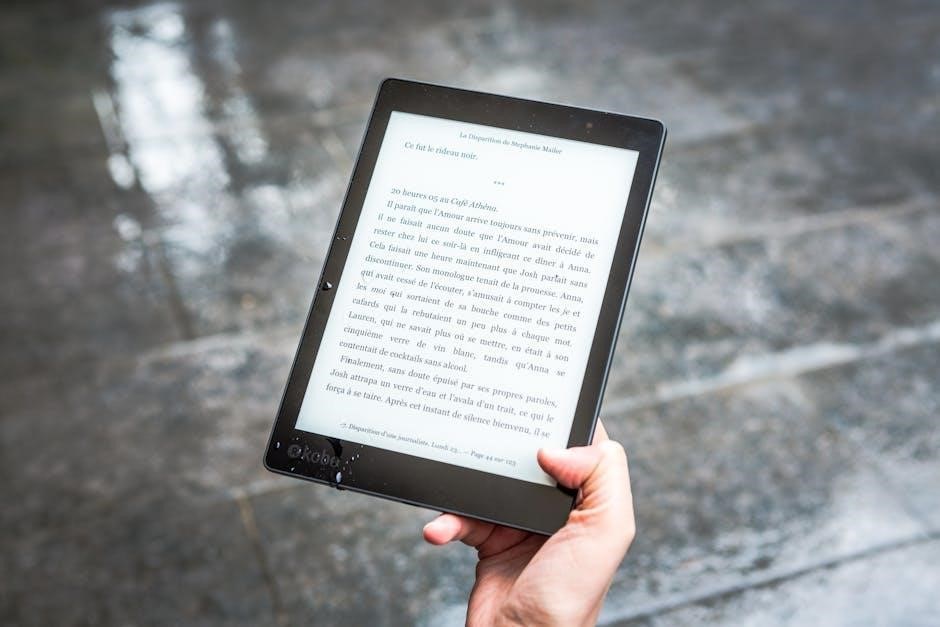
It’s fast, secure, and accessible from any device․ Beyond reversing, pdfFiller also offers comprehensive PDF editing, signing, and form-building capabilities, making it a versatile tool for managing your documents effectively․ This feature complements color inversion by allowing complete control over the document’s presentation․
Combining and Splitting PDFs Before Inversion
Prior to inverting colors, strategically combining or splitting PDFs can optimize the process and final result․ Merging related documents into a single PDF streamlines inversion, ensuring consistent color adjustments across the entire content․ Conversely, splitting large PDFs into smaller, manageable sections can improve processing speed and prevent potential errors during inversion, especially with online tools․
This pre-processing step allows for targeted adjustments; for example, inverting only specific sections․ Many online PDF suites, like Smallpdf and PDF2Go, offer both combining and splitting features alongside color inversion, providing a seamless workflow for document manipulation․
Converting Other Formats to PDF for Inversion (Word, Excel)
Before inverting colors, documents originating from formats like Word (DOC) or Excel (XLS) must be converted to PDF․ Numerous online converters, such as PDF Converter, facilitate this process efficiently․ Converting ensures compatibility with PDF inversion tools and preserves formatting during the color alteration․ This is crucial as direct color inversion within the original application might yield inconsistent results․
PDF converters maintain document structure, making the subsequent inversion process smoother․ Once converted, the PDF is ready for inversion using tools like DonePDF or PDF2Go, achieving the desired dark mode effect for improved readability․

Technical Aspects of PDF Color Inversion
PDF color inversion relies on altering color models—typically RGB or CMYK—within the document, impacting image quality and necessitating consideration of privacy when using online tools․
Understanding PDF Color Models (RGB, CMYK)
PDF documents utilize various color models to define how colors are represented․ RGB (Red, Green, Blue) is additive, commonly used for on-screen display, where combining these primary colors creates a spectrum․ Conversely, CMYK (Cyan, Magenta, Yellow, Key/Black) is subtractive, ideal for printing, as inks absorb light․
Inverting colors within an RGB model simply reverses the values of each channel – red becomes cyan, green becomes magenta, and blue becomes yellow․ However, CMYK inversion is more complex, potentially leading to unexpected color shifts due to its subtractive nature․ Understanding these differences is crucial for predicting the outcome of color inversion and ensuring desired visual results in the final PDF․
How Color Inversion Affects Image Quality
PDF color inversion, while beneficial for readability, can impact image quality․ Raster images within a PDF, composed of pixels, may exhibit increased noise or artifacts after inversion, particularly with low-resolution images․ The process essentially reverses the light and dark values, potentially exaggerating existing imperfections․
Vector graphics, being resolution-independent, generally maintain their quality during inversion․ However, subtle color gradients might appear altered․ The extent of quality loss depends on the original image quality and the inversion method used․ Previewing the inverted PDF is crucial to assess the visual impact before widespread use․
Privacy Considerations When Using Online Tools
PDF color inversion via online tools raises legitimate privacy concerns․ Uploading sensitive documents to third-party websites inherently involves data transfer and potential storage․ Always review the service’s privacy policy to understand how your files are handled, whether they are stored, and for how long․
Opt for reputable services with clear privacy commitments and, ideally, those offering end-to-end encryption․ Avoid uploading highly confidential or legally protected documents unless absolutely necessary․ Consider software-based solutions for enhanced privacy, as they process files locally on your device, minimizing external data exposure․

Troubleshooting Common Issues
PDF inversion problems include distortion, slow processing with large files, and incompatibility with certain PDF features; check file format and tool limitations․
Inverted PDF Appears Distorted
If your inverted PDF appears distorted, several factors could be at play․ The initial PDF’s color model – whether RGB or CMYK – significantly impacts the outcome․ CMYK, commonly used for printing, may not invert as cleanly as RGB, leading to unexpected color shifts or muddiness․
Image quality within the PDF also matters; low-resolution images can become more pixelated during inversion․ Furthermore, the specific inversion algorithm used by the tool influences the result․ Some tools may not handle complex graphics or embedded fonts effectively․ Try a different inverter or consider converting the PDF to a different format and back again․
Slow Processing Times with Large Files
Large PDF files naturally require more processing power to invert, leading to extended wait times․ Online inverters rely on server capacity, which can be strained during peak usage․ The complexity of the PDF itself – numerous images, intricate graphics, or embedded fonts – further contributes to slower speeds․
Consider breaking down large documents into smaller, manageable sections before inversion․ Alternatively, opt for software-based PDF editors installed directly on your computer, as they leverage local resources and may offer faster processing․ Ensure a stable internet connection if using an online tool, and close unnecessary applications to free up system resources․
Inverter Doesn’t Support Specific PDF Features
Some PDF inverters may struggle with advanced features like interactive forms, complex layers, or specific encryption methods․ These elements can disrupt the color inversion process, resulting in distorted output or complete failure․ Features like JavaScript or 3D content are often problematic․
If encountering issues, try a different inverter or a dedicated PDF editor with broader compatibility․ Converting the PDF to a simpler format (like an image) before inverting might bypass the incompatibility․ Always verify the inverted document thoroughly to ensure all content is displayed correctly and remains functional․

Beyond Color Inversion
PDF tools offer adjustments beyond simple inversion, including brightness, contrast controls, and dedicated dark mode conversions for optimal viewing experiences․
PDF to Dark Mode Conversion
Converting a PDF to dark mode goes beyond a simple color inversion, aiming for a more visually comfortable experience․ While inverting colors flips light and dark elements, a dedicated dark mode conversion often refines this process․ It adjusts shades and tones to ensure text remains legible and images aren’t distorted․
This is particularly useful for extended reading sessions, especially in low-light conditions․ Online tools like DonePDF specialize in this, offering a seamless transition to a dark theme․ The goal is to mimic the appearance of dark mode interfaces found in modern applications, reducing eye strain and potentially conserving battery life on mobile devices with OLED or AMOLED screens․
Adjusting Brightness and Contrast in PDFs
Beyond simple color inversion, fine-tuning brightness and contrast can significantly improve PDF readability․ While inverting colors creates a dark mode effect, adjusting these settings optimizes the visual output for individual preferences and viewing environments․ Increasing contrast can make text sharper, while reducing brightness minimizes glare, especially in dark rooms․
Some PDF editors and viewers offer built-in tools for these adjustments․ However, online inverters often lack this granular control․ Experimenting with these settings, alongside color inversion, allows users to create a customized reading experience that minimizes eye strain and maximizes comfort, leading to a more productive and enjoyable interaction with the document․
Accessibility Features and PDF Inversion
PDF color inversion plays a crucial role in enhancing accessibility for users with visual impairments or sensitivities․ By reversing colors, individuals with light sensitivity or certain visual conditions may find documents easier to read and experience reduced eye strain․ This simple adjustment can significantly improve comprehension and engagement with PDF content․
Furthermore, combining color inversion with other accessibility features, such as text-to-speech functionality and adjustable font sizes, creates a more inclusive reading experience․ While not a replacement for proper PDF tagging and structure, inversion offers a quick and effective solution for immediate readability improvements, promoting wider access to information․

Specific Use Cases
PDF inversion excels for comfortable night reading, improving readability for visually impaired users, and conserving battery life on mobile devices due to darker displays․
Inverting PDFs for Night Reading
Inverting PDF colors for nighttime reading significantly reduces eye strain caused by bright screens in dark environments․ The transformation from a light background with dark text to a dark background with light text mimics the comfortable experience of reading a physical book in low light․
This is particularly beneficial for students, professionals, or anyone who frequently reads PDFs before bed․ By minimizing blue light exposure and glare, inverted PDFs promote better sleep quality․ Online tools and software options make this process quick and easy, allowing users to instantly adapt documents for optimal nighttime viewing and enhanced reading comfort․
Improving Readability for Visually Impaired Users
PDF color inversion can dramatically improve readability for individuals with certain visual impairments, such as light sensitivity or difficulty distinguishing between low-contrast colors․ By reversing the color scheme, the text becomes more prominent and easier to discern against the background, reducing visual fatigue․
This simple adjustment can make PDFs more accessible and inclusive, allowing a wider range of users to comfortably access information․ While not a substitute for dedicated accessibility features, color inversion offers a quick and effective solution for enhancing readability and promoting a more positive reading experience․
Saving Battery Life on Mobile Devices
Inverting PDF colors, particularly when utilizing dark mode, can contribute to noticeable battery savings on mobile devices with OLED or AMOLED screens․ These screen technologies consume less power when displaying darker colors, as individual pixels can be turned off completely․
By switching to an inverted color scheme, a significant portion of the screen displays black, minimizing energy consumption․ This is especially beneficial during extended reading sessions or when access to a power source is limited, offering a practical way to prolong device usage․

Future Trends in PDF Technology
AI-powered tools will likely automate PDF adjustments, including intelligent color inversion optimized for readability and accessibility, enhancing the user experience․
AI-Powered PDF Editing Tools
Artificial intelligence is poised to revolutionize PDF editing, particularly concerning features like color inversion․ Future tools will move beyond simple color flips, intelligently analyzing document content to optimize inversion for clarity․ This means AI could differentiate between text and images, applying inversion selectively to avoid distorting visuals․
Furthermore, AI could learn user preferences, automatically adjusting inversion levels based on ambient lighting or individual visual needs․ Expect features that dynamically enhance contrast and brightness alongside inversion, creating a truly personalized reading experience․ These advancements promise to make PDF documents more accessible and comfortable to consume, especially in challenging viewing conditions․
Integration with Cloud Storage Services
Seamless integration with popular cloud storage platforms like Google Drive, Dropbox, and OneDrive will become standard for PDF editing tools offering color inversion․ This allows users to directly access and modify PDFs stored in the cloud, eliminating the need for downloads and uploads․ Imagine inverting a PDF directly within your Google Drive interface with a single click!
Such integration fosters collaboration, enabling teams to share and view inverted PDFs effortlessly․ Automatic syncing ensures everyone accesses the latest version․ Furthermore, cloud integration facilitates access across multiple devices, providing a consistent reading experience regardless of location or platform․
Enhanced Security Features for PDF Documents
As PDF technology evolves, robust security features will be crucial, even when simply inverting colors․ Expect advanced encryption protocols to protect sensitive information within PDFs during the inversion process and storage․ Watermarking and password protection will become more sophisticated, preventing unauthorized access or modification of inverted documents․
Furthermore, tools will likely incorporate features to detect and mitigate potential security risks associated with online PDF inverters, ensuring user privacy․ Audit trails will track all modifications, including color inversions, providing accountability and transparency; These enhancements build trust and safeguard valuable data․