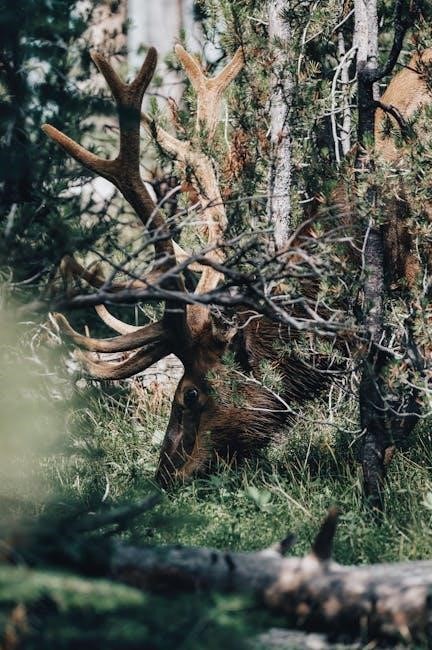
Wyoming offers premier elk hunting, attracting adventurers seeking a challenging and rewarding experience․ Guided hunts enhance success, navigating terrain and regulations effectively․
These professionally led expeditions provide expertise, increasing your chances of harvesting a magnificent bull elk within the state’s vast wilderness areas․
Wyoming’s Elk Hunting Reputation
Wyoming consistently ranks among the top destinations for elk hunting in North America, renowned for its robust elk populations and expansive, rugged landscapes․ The state’s commitment to wildlife management ensures healthy herds, offering hunters exceptional opportunities․
Its diverse terrain, ranging from dense forests to open meadows and high-country peaks, presents both challenges and rewards․ Success often hinges on understanding elk behavior and navigating these varied environments․ Wyoming’s reputation attracts both resident and non-resident hunters eager to experience a true wilderness hunt, contributing significantly to the state’s outdoor economy․
Why Choose a Guided Hunt?
Opting for a guided elk hunt in Wyoming significantly increases your chances of a successful and enjoyable experience, especially for those unfamiliar with the terrain or elk behavior․ Experienced guides possess intimate knowledge of local elk patterns, prime hunting locations, and effective strategies․
They handle logistics like scouting, packing, and field dressing, allowing hunters to focus on the hunt itself․ Furthermore, guides ensure adherence to Wyoming’s hunting regulations, navigating complex rules and licensing requirements․ A guided hunt provides both convenience and a heightened probability of harvesting a trophy elk․
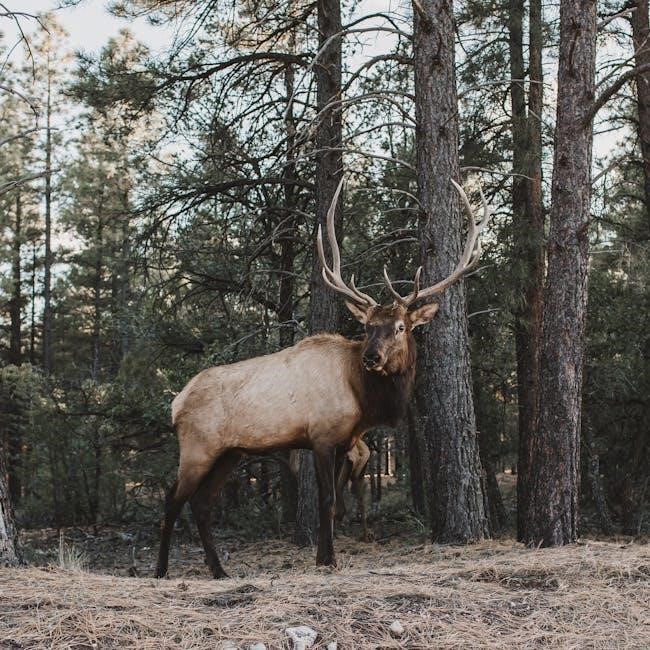
Cost Factors Influencing Guided Elk Hunt Prices
Several elements dictate the price of a Wyoming guided elk hunt, including guide ratios, hunt duration, and land access—public versus private—all impacting overall cost;
Hunter-to-Guide Ratio (2×1 vs․ 1×1)
The hunter-to-guide ratio significantly influences the cost of your Wyoming elk hunt․ A 2×1 ratio, meaning two hunters share one guide, is generally more affordable, as the guide’s expertise is split between two individuals․ Beaver Trap Outfitters utilizes this common setup in their all-inclusive packages․
However, for a more personalized and focused experience, a 1×1 ratio—one hunter per guide—is available, but comes at a premium․ Livingston Outfitting charges an additional $225 per day to upgrade to a 1×1 situation, offering dedicated attention and increased hunting opportunities․ Choosing depends on budget and desired level of individual support․
Duration of the Hunt (Number of Days)
The length of your guided elk hunt directly impacts the overall cost․ Outfitters typically offer hunts spanning various durations, commonly ranging from five to seven days, though longer options may exist․ Beaver Trap Outfitters includes lodging and food at $25 per day, per person, factoring into the total expense․
Extended hunts increase your chances of success but naturally elevate the price․ While specific pricing varies, anticipate a daily rate applied to guide services, lodging, and meals; Carefully consider your budget and desired time in the field when selecting the hunt duration that best suits your needs and expectations․
Location and Terrain (Public vs․ Private Land)
Hunts on private land generally command higher prices due to guaranteed access and often, increased elk densities․ Outfitters securing leases on prime private ground pass these costs onto hunters․ Conversely, public land hunts are typically more affordable, though success relies heavily on scouting and hunter skill․
Livingston Outfitting notes a $3 public lands use fee, indicating a potential cost difference․ Terrain also influences pricing; rugged, remote areas require more guide effort and potentially specialized equipment, increasing the overall hunt cost․ Consider your preference for accessibility versus affordability when choosing a hunt location․
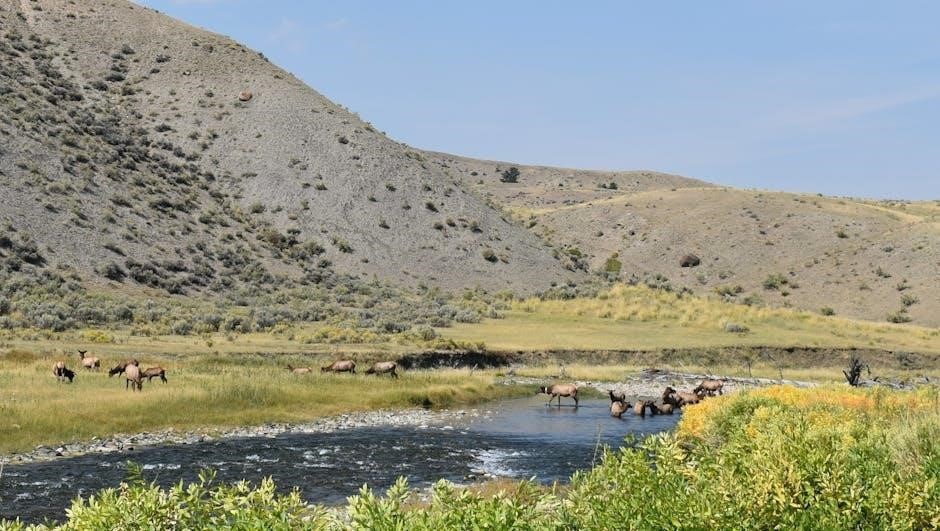
Average Costs of Guided Elk Hunts in Wyoming (2026)
In 2026, expect guided elk hunts to range significantly, with 2×1 packages being more economical than 1×1 options, impacting the final price․
Base Package Costs (2×1 Guide)
Beaver Trap Outfitters provides all-inclusive packages with a 2×1 guide situation, costing approximately $25 per day for lodging (including taxes) and $25 per day for food (also including taxes)․ This foundational pricing structure doesn’t include licenses, tags, or potential trophy fees․
Livingston Outfitting bases its rates on a 2 hunters per 1 guide ratio, making it a cost-effective starting point․ While specific 2026 pricing isn’t available, expect a base cost reflecting this shared guide arrangement, plus a $3 public lands use fee․ Upgrading to a 1×1 guide adds $225 per day․
Additional Costs: Licenses and Tags
Elk hunting in Wyoming necessitates separate purchases for licenses and tags, significantly impacting the overall cost․ Non-resident elk licenses and tags fluctuate annually, but typically represent a substantial expense beyond the base hunt package․
These fees grant legal hunting privileges and are mandatory for all hunters․ The Wyoming Game and Fish Department website provides the most current pricing information․ Budgeting for these costs is crucial, as they are non-refundable even if a harvest doesn’t occur․ Expect several hundred dollars for these essential permits․
Additional Costs: Trophy Fees (If Applicable)
Some Wyoming outfitters implement trophy fees for exceptionally large elk, measured by antler point count or overall score․ These fees are an additional expense layered onto the base hunt cost and are not universally applied․
Before booking, meticulously clarify with the outfitter whether trophy fees exist and the specific criteria triggering them․ These fees can range significantly, potentially adding thousands of dollars to the total expense․ Understanding this upfront prevents unexpected costs post-harvest, ensuring financial transparency throughout your guided elk hunt․
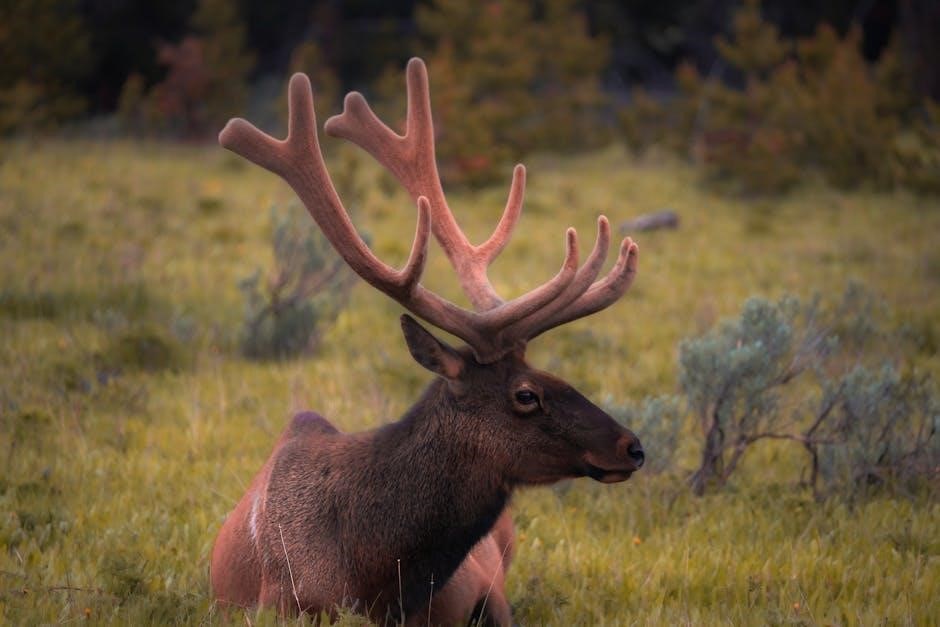
Detailed Breakdown of Outfitters’ Pricing
Outfitters like Beaver Trap and Livingston Outfitting offer varied pricing structures, typically based on a 2×1 guide ratio, with options for 1×1 upgrades for personalized attention․
Beaver Trap Outfitters Pricing Structure
Beaver Trap Outfitters provides all-inclusive packages designed for a seamless hunting experience․ Their standard pricing, unless specified otherwise, centers around a 2×1 guide situation, meaning two hunters share one experienced guide throughout the duration of the hunt․
The daily rate currently stands at $250, encompassing lodging and all applicable taxes (sales and lodging)․ Meals are also included at a rate of $25 per day, again with sales tax factored in․ For non-hunting companions joining the expedition, a daily rate of $250 applies, ensuring comfortable accommodations and shared facilities․ This structure offers a balance of affordability and personalized attention․
Livingston Outfitting Pricing Structure
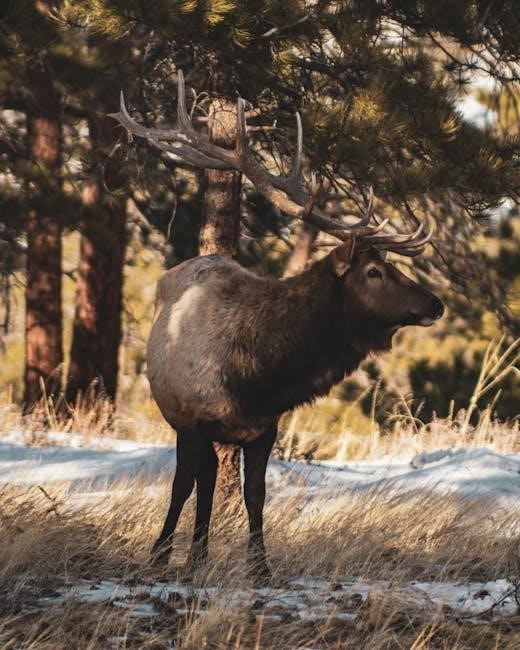
Livingston Outfitting bases its elk, deer, and antelope hunt rates on a 2 hunters per 1 guide arrangement, providing a cost-effective option for many hunters․ The listed prices are per hunter, reflecting this shared guide service․
For those desiring a more personalized experience, a 1-on-1 upgrade is available for an additional $225 per day․ All rates are subject to a $3 public lands use fee․ These prices represent a comprehensive package, covering guiding services and access to prime hunting grounds, though additional costs for licenses and tags will apply․
What’s Typically Included in a Guided Elk Hunt Package
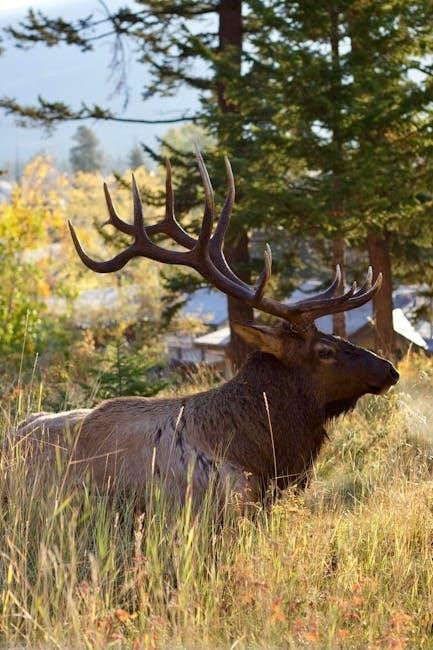
Guided elk hunts commonly include lodging, meals, airport transport, and expert guidance․ Outfitters also provide essential services like field dressing and meticulous meat care․
Lodging and Meals
Lodging during guided elk hunts in Wyoming varies, ranging from comfortable wall tent camps to more luxurious lodge accommodations․ Beaver Trap Outfitters includes lodging at $25 per day, encompassing all applicable taxes․ Expect clean, functional spaces designed for hunters, prioritizing rest after demanding days in the field․
Meals are typically fully catered, providing hearty, energy-rich cuisine to fuel your hunt․ Beaver Trap Outfitters also charges $25 per day for meals, including sales tax․ Expect substantial breakfasts, packed lunches for the field, and satisfying dinners to replenish your strength․ Dietary restrictions can often be accommodated with advance notice, ensuring a pleasant culinary experience․
Airport Transportation
Airport transportation is a crucial component of many guided elk hunt packages in Wyoming, simplifying logistics for out-of-state hunters․ Beaver Trap Outfitters specifically includes airport pick-up services at Sheridan, Wyoming, as part of their all-inclusive pricing structure․ This eliminates the need for hunters to rent a vehicle or navigate unfamiliar roads immediately upon arrival․
Other outfitters may offer transportation for an additional fee, or require hunters to arrange their own travel from the airport to the hunting camp․ Confirming transportation details with your chosen outfitter is essential for a smooth and stress-free start to your Wyoming elk hunting adventure․
Field Dressing and Meat Care
Guided elk hunts in Wyoming typically encompass comprehensive field dressing and meat care services, a significant value for hunters․ Outfitters handle the initial processing of a harvested elk, ensuring proper handling to maintain meat quality․ This includes skinning, quartering, and protecting the meat from spoilage in the field․
While specific details vary, most packages include transportation of the meat to a local processor․ Hunters are generally responsible for the costs associated with processing, cutting, wrapping, and shipping the meat home․ Confirming these arrangements with your outfitter beforehand is crucial․
Potential Extra Expenses to Consider
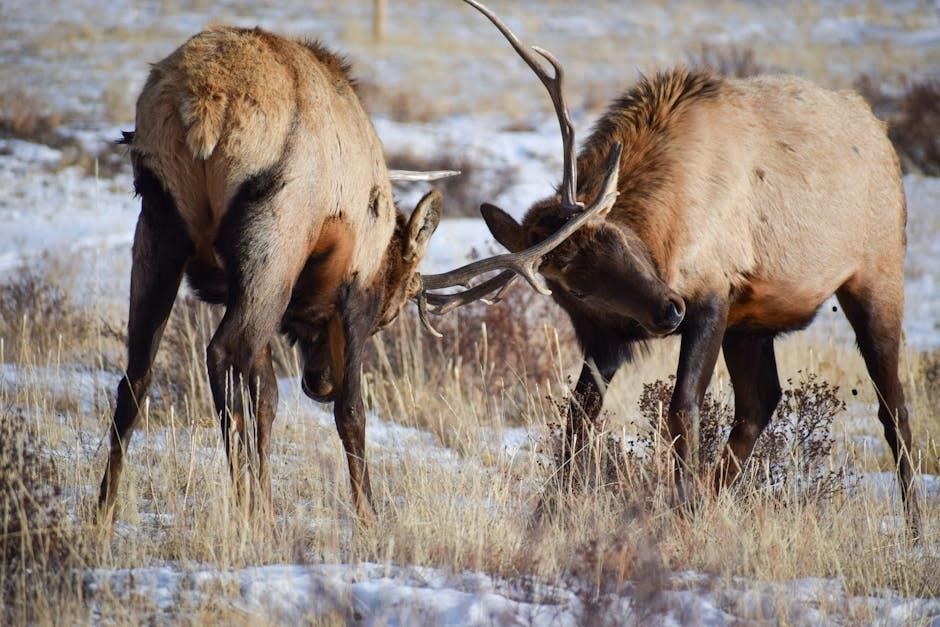
Beyond base costs, anticipate expenses like non-hunter companion fees ($250/day), taxidermy for trophies, and customary gratuities for guides and supporting staff․
Non-Hunter Companion Fees
Bringing a non-hunting companion along to share the Wyoming experience adds to the overall cost․ Outfitters typically charge a daily rate for those not participating in the elk hunt itself․
Beaver Trap Outfitters clearly states a non-hunting companion rate of $250 per day, encompassing lodging and meals, similar to the hunter’s provisions․ This allows companions to enjoy the scenery and amenities while the hunter pursues their elk․
It’s crucial to factor this daily fee into your budget if you plan to have a guest join you, as it can significantly impact the total expense of the guided hunt․
Taxidermy Costs
Preserving a trophy elk through taxidermy represents a significant, yet often overlooked, additional expense․ The final cost varies widely depending on the chosen mount – shoulder mount, life-size, or European skull mount – and the taxidermist’s skill and location․
Generally, expect to pay between $1,200 and $4,000 or more for a quality elk taxidermy job․ Transportation of the elk from the hunting location to the taxidermist also adds to the expense, potentially requiring specialized services․
Budgeting for taxidermy before the hunt ensures you can properly honor a successful harvest without financial strain․
Gratuities for Guides and Staff
Showing appreciation for exceptional service is customary on guided elk hunts․ While not mandatory, tipping guides and camp staff is a thoughtful gesture acknowledging their hard work and dedication to ensuring a successful and enjoyable experience․
A typical guide gratuity ranges from $200 to $500 per hunter, depending on the quality of service, hunt difficulty, and overall success․ Camp cooks and other staff members often receive a collective tip of $100 to $300․
Factor these potential gratuities into your overall hunt budget to demonstrate your gratitude appropriately․
Comparing Outfitters and Finding the Best Value
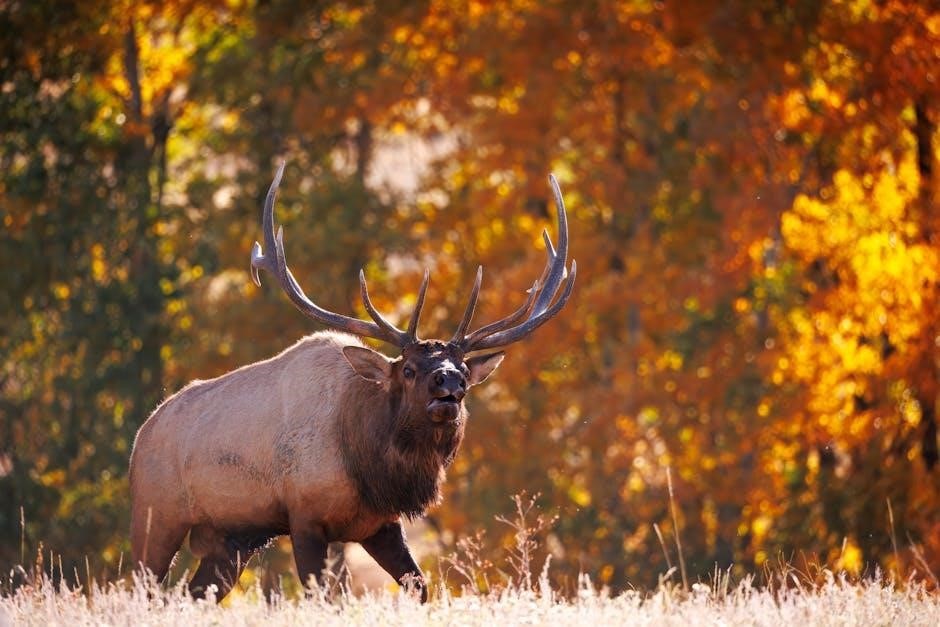
Careful research is vital; assess success rates, read testimonials, and compare pricing structures from various Wyoming outfitters to secure optimal value․
Researching Outfitters’ Success Rates
Determining an outfitter’s historical success rate is paramount when investing in a Wyoming elk hunt․ While precise figures can be elusive, diligent inquiry is key; Contact outfitters directly and request data regarding past hunter success – specifically, the percentage of hunters who harvested an elk․
Don’t hesitate to ask about the average trophy quality, antler point scores, and the typical size of harvested bulls․ Remember that success rates can fluctuate based on weather, elk populations, and hunting pressure; Consider publicly available harvest statistics for the specific hunting unit where the outfitter operates, offering a broader perspective․
Reading Reviews and Testimonials
Scrutinizing online reviews and testimonials provides invaluable insights into the experiences of previous hunters․ Platforms dedicated to hunting outfitters often host detailed accounts of hunts, covering aspects like guide professionalism, camp quality, and overall hunt satisfaction․
Pay attention to recurring themes – both positive and negative․ Look beyond simply star ratings; read the narratives to understand the specifics․ Verify the authenticity of reviews whenever possible․ Contacting past clients directly, if feasible, can offer unbiased perspectives․ A pattern of consistently positive feedback suggests a reputable outfitter․
Booking Your Guided Elk Hunt: Timing and Considerations
Secure your hunt early, as licenses and tags have application deadlines, and popular outfitters fill bookings quickly․ Proactive planning is crucial for a successful Wyoming elk hunt․
Application Deadlines for Licenses and Tags
Wyoming’s elk hunting license and tag application process is critical for securing your opportunity․ Deadlines vary depending on the hunt unit and tag type – resident and non-resident applications have distinct dates․ Generally, the application period opens in early spring, often around April, and closes at the end of May or early June․
It’s essential to consult the Wyoming Game and Fish Department’s website for the most current and precise deadlines․ Failing to meet these deadlines means forfeiting your chance at a coveted elk tag for that season, potentially delaying your guided hunt plans until the following year․ Prompt action is key!
Importance of Early Booking
Securing a guided elk hunt in Wyoming demands proactive planning, with early booking being paramount․ Outfitters, like Beaver Trap Outfitters and Livingston Outfitting, experience high demand, especially for prime hunting dates and preferred guide availability․ Booking well in advance – often 12 to 18 months prior – guarantees your spot and allows ample time for license application preparation․
Delaying booking risks limited options, potentially missing out on desired hunt packages or facing increased costs․ Early reservations also provide flexibility in travel arrangements and ensure sufficient time for physical conditioning, maximizing your hunting success․